Basic knowledge of wiring
2025-05-21



Cloth-covered wire is a type of cable used for power transmission, commonly used in household and industrial electrical systems. The following is basic knowledge about cloth-covered wire, including its definition, uses, and characteristics:
1. Definition of Cloth-Covered Wire
Cloth-covered wire refers to wire with an outer covering of fabric (cloth) insulation. This design gives the wire good flexibility and durability. Cloth-covered wire is typically used for connecting electrical equipment and transmitting power.
2. Structure of Cloth-Covered Wire
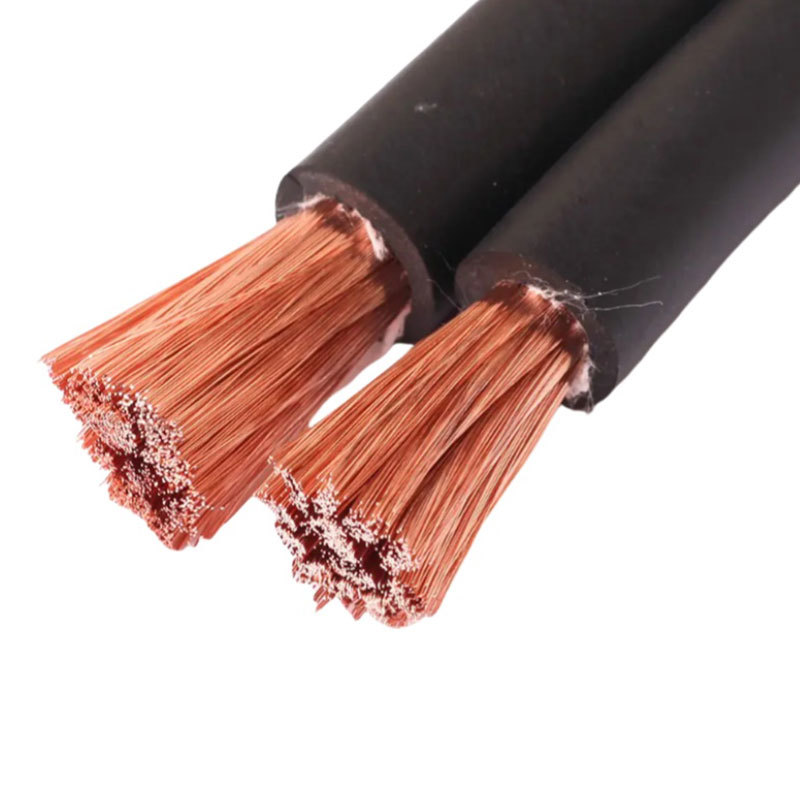
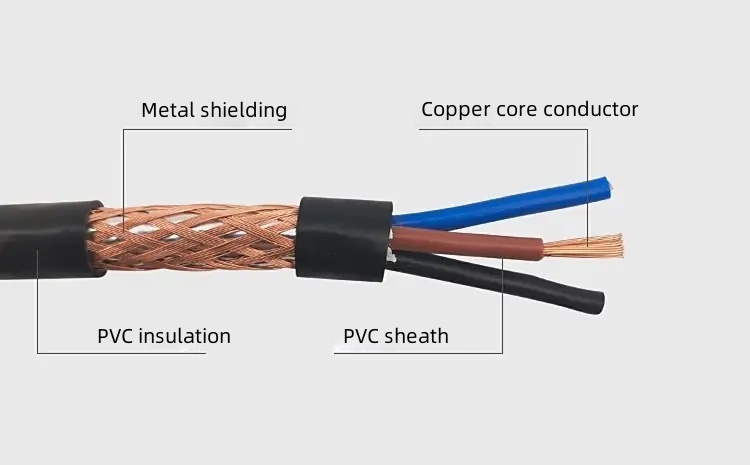
The structure of cloth-covered wire generally includes:
Conductor: Usually made of copper or aluminum, used for current transmission.
Insulation Layer: The outer layer is covered with fabric (such as cloth), providing electrical insulation protection.
Sheath: Some cloth-covered wires may have an additional protective layer, such as a rubber or plastic sheath, to increase wear resistance and protection.
3. Uses of Cloth-Covered Wire
Cloth-covered wire is widely used in the following areas:
Household electrical systems: Used for in-wall power distribution, appliance connections, etc.
Industrial equipment: Used for internal wiring and connections of electrical equipment.
Decorative cables: Because of its aesthetically pleasing appearance, cloth-covered wire is often used where cables need to be exposed, such as in renovations and decorative design.
4. Characteristics of Cloth-Covered Wire
Flexibility: Due to its fabric insulation material, cloth-covered wire has good flexibility, suitable for situations requiring frequent movement or bending.
Durability: The fabric insulation layer provides good wear resistance and anti-aging ability, resulting in a longer service life.
Appearance: The fabric appearance of cloth-covered wire is usually quite aesthetically pleasing, suitable for environments with higher decorative requirements.
High-temperature resistance: The insulation layer of cloth-covered wire usually can withstand a certain high temperature, suitable for some high-temperature environments.
5. Specifications of Cloth-Covered Wire
The specifications of cloth-covered wire are usually determined by the following parameters:
Conductor diameter: Determines the current carrying capacity of the wire.
Insulation layer thickness: Affects the insulation performance and durability of the wire.
Outer diameter: Includes the total diameter of the insulation layer and sheath.
6. Installation of Cloth-Covered Wire
The installation steps of cloth-covered wire generally include:
Planning the wiring scheme: Determine the wiring scheme according to electrical needs and installation environment.
Measurement and cutting: Cut the cloth-covered wire to the required length.
Connection: Use electrical connectors or junction boxes to connect the cloth-covered wire to electrical equipment.
Fixing: Use cable fasteners to fix the cloth-covered wire to the wall or other structures.
7. Maintenance of Cloth-Covered Wire
Maintenance of cloth-covered wire includes:
Regular inspection: Check the appearance of the wire for wear, damage, or aging.
Cleaning: Keep the surface of the cloth-covered wire clean to avoid dust and dirt accumulation.
Replacement: If the insulation layer of the cloth-covered wire is found to be damaged or aged, it should be replaced in time.
8. Safety of Cloth-Covered Wire
The following safety precautions should be noted when using cloth-covered wire:
Avoid overloading: Ensure that the current load of the cloth-covered wire is within its rated range to avoid overloading.
Avoid high temperatures: Although cloth-covered wire has a certain degree of high-temperature resistance, it should be avoided from being in a high-temperature environment for a long time.
Prevent physical damage: Avoid mechanical damage or scratches to the cloth-covered wire to prevent damage to the insulation layer.
9. Selection of Cloth-Covered Wire
The following factors should be considered when selecting cloth-covered wire:
Current carrying capacity: Select the appropriate conductor diameter and specifications according to actual needs.
Environmental adaptability: Consider the high-temperature resistance, moisture resistance, and other performance requirements of the cloth-covered wire.
Appearance and durability: Select the appropriate type of cloth-covered wire according to the application scenario.
10. Common Problems of Cloth-Covered Wire
Aging: Cloth-covered wire may experience aging over time, leading to reduced insulation performance.
Wear and tear: Cloth-covered wire may be subject to wear and tear during use and requires regular inspection and maintenance.
Improper installation: Improper installation may cause damage to the cloth-covered wire or unstable use.
TAG: